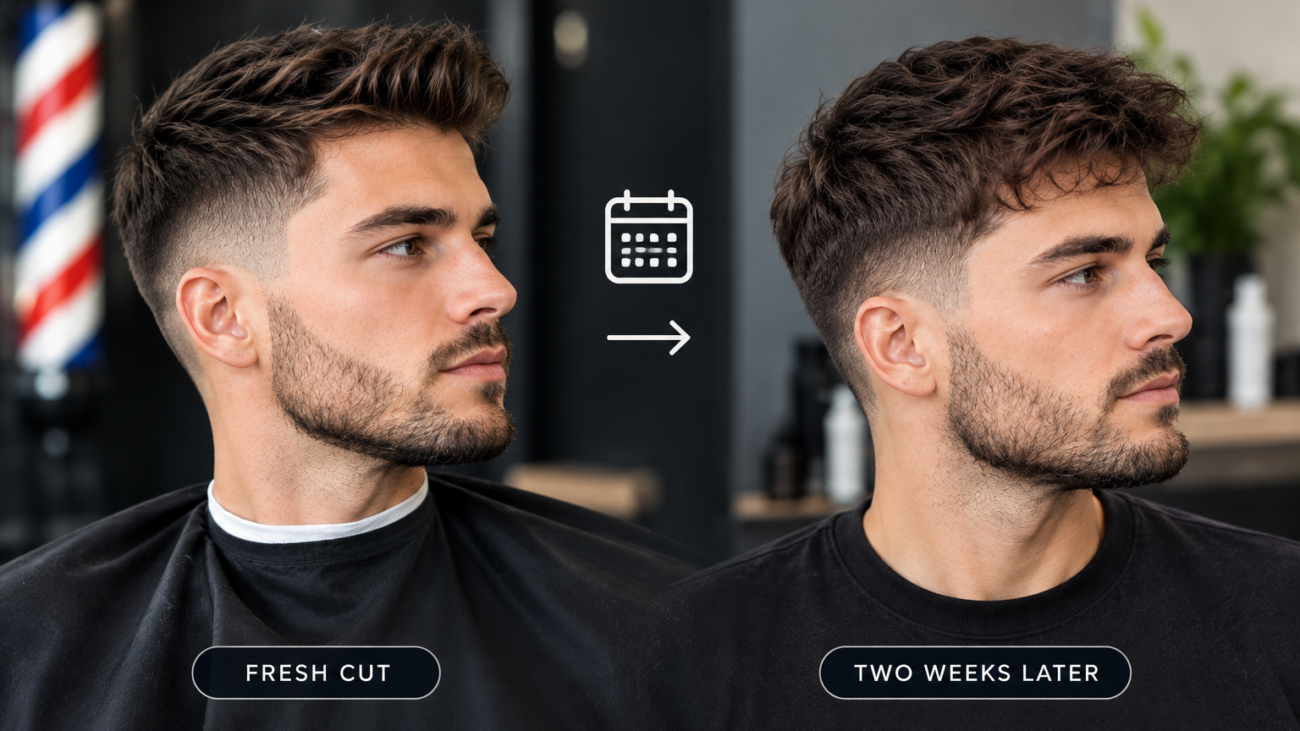
A fresh haircut can look sharp the moment you leave the barbershop, but sometimes it looks even better two weeks later. The hair begins to settle into its natural direction, textured sections become easier to manage, and the overall shape can develop a more relaxed, natural appearance. For many men, this is when a haircut starts to feel like their own style rather than a freshly finished look.
However, not every haircut improves with time. Some fades lose their contrast quickly, while certain longer styles become easier to style as they grow. The difference often comes down to the haircut itself, your hair type, the barber’s technique, and your everyday grooming routine.
If you are searching for a barber near me or a professional barber in Toronto, understanding how haircuts change over the first two weeks can help you choose a style that stays attractive between appointments.
1. Hair Needs Time to Settle Into Its Natural Shape
Immediately after a haircut, the hair may sit differently from how it normally behaves at home. Freshly shortened strands can stick up, feel stiff, or resist your usual styling direction. After several days of washing, drying, and everyday movement, the hair often becomes easier to manage.
This change is particularly noticeable with textured crops, short side parts, and layered hairstyles. As the hair settles, its natural movement becomes more visible, and the style may appear softer and less structured.
A skilled barber considers natural growth patterns when creating a haircut. Instead of relying entirely on styling products to hold every section in place, the barber works with the way the hair naturally falls. This can help the haircut remain attractive well beyond the appointment.
2. Natural Texture Becomes More Noticeable
Texture plays a major role in how a haircut looks after two weeks. Thick, straight, wavy, and curly hair all respond differently to cutting and styling.
For example, thick hair may initially appear bulky or resistant to direction. A few days of regular styling can help it settle into a more manageable shape. Wavy hair may develop more natural movement, while a textured crop can look less rigid as the freshly cut strands soften into the overall style.
This is one reason men should choose haircuts that complement their natural texture rather than copying a style without considering their own hair.
When visiting a barber The Well location, explain how your hair normally behaves after washing and whether you prefer using styling products. This information helps your barber recommend a cut that suits your everyday routine.
3. The Fade Can Look Softer and More Natural
A fresh fade creates a clear contrast between different hair lengths. Skin fades and high fades can look particularly sharp immediately after an appointment because the transitions and outlines are carefully defined.
As the hair grows, the contrast gradually softens. Some men prefer this more relaxed appearance because it blends naturally with their everyday look. Others enjoy the crisp finish of a fresh fade and prefer to schedule regular touch-ups.
The best choice depends on your personal preference and how much maintenance you are willing to do. A low taper or classic taper may provide a more gradual grow-out, while a very short skin fade may need more frequent attention to maintain its original appearance.
A professional barber in Toronto can explain how different fade styles are likely to change over the next two to four weeks. Knowing what to expect helps you choose a haircut that matches both your appearance goals and your schedule.
4. A Well-Balanced Haircut Grows Out Better
One of the biggest differences between a haircut that ages well and one that loses its shape quickly is balance.
A haircut with suitable proportions between the top, sides, and back can remain attractive as the hair grows. If the sides are cut too bulky or the top is left with a shape that does not suit the client’s hair texture, the style may become difficult to manage within days.
Balanced haircuts do not always need to be short. A classic side part, a textured crop, or a longer layered style can all grow out well when the length and shape suit the individual.
Before your next appointment, think about how you want your haircut to look after two weeks, not only when you first see it in the mirror. A good consultation should cover your preferred length, natural hair pattern, and ideal maintenance schedule.
5. Your Daily Routine Makes a Difference
A haircut that looks excellent in a barbershop may be harder to maintain if it requires more time than you have each morning. Your lifestyle affects how well the style performs between visits.
If you have a busy work schedule, a short textured crop or classic taper may offer a practical balance between a polished appearance and easy maintenance. If you enjoy styling your hair, a longer textured top may give you more flexibility.
Consider these everyday habits when choosing your next haircut:
- Morning routine: Decide whether you want a wash-and-go style or are happy to spend several minutes styling.
- Work environment: Choose a finish that suits your professional and personal preferences.
- Exercise and activities: Consider how sweat, hats, and frequent washing affect your hair.
- Styling products: Use products that suit your hair type without weighing it down.
- Appointment schedule: Choose a haircut that looks good for the length of time you normally wait between visits.
If you are looking for a barber near me, describe these habits during your consultation. A haircut designed around your real routine is often easier to maintain than one chosen solely because it looks fashionable in a photograph.
6. Styling Products Can Improve the Results
The right styling product can help a haircut look better as it settles, but using too much product can make the hair heavy, greasy, or difficult to reshape.
Lightweight styling creams can provide a natural finish, while matte clays may offer more texture and hold. Sea salt sprays can add movement to certain hair types, although they may not suit everyone, particularly those whose hair becomes dry easily.
Start with a small amount and adjust according to your hair’s thickness and length. Apply products as directed, and avoid using styling products to force your hair into a shape that does not work with its natural growth pattern.
A barber can demonstrate a simple styling method that you can repeat at home. This is especially valuable when you want your haircut to remain consistent without spending too much time in front of the mirror.
You might also like: 5 Burst Fade Templates for Guys Embracing Their Natural Curly Texture
7. Regular Maintenance Keeps the Shape Looking Intentional
Although some haircuts look better after two weeks, that does not mean every style should be left untouched indefinitely. Hair continues to grow, and the outline, neckline, and proportions will eventually change.
The ideal time between appointments depends on the haircut and how quickly your hair grows. A very short fade may need attention every couple of weeks, while a longer classic style may remain balanced for considerably longer.
Between visits, keep your hair clean, use suitable products, and avoid attempting major adjustments at home. If the haircut becomes difficult to style, ask your barber whether a full appointment or a simple maintenance visit would be more appropriate.
Choosing a barber who understands your preferred grow-out period can make your grooming routine more predictable.
MEN ZONE Real-Life Example: When a Haircut Improves With Time
Consider an illustrative example involving a Toronto professional named Alex. He regularly asks for a very sharp fade, but he notices that his haircut looks noticeably different after ten days. He initially assumes the problem is that his hair grows too quickly.
During his next appointment at MEN ZONE, he explains that he wants a haircut that stays presentable for longer between visits. His barber discusses how a softer taper and a textured top might suit his hair type and maintenance preferences better than an extremely high-contrast fade.
Alex chooses the adjusted style and learns how to use a small amount of matte styling product. Over the following two weeks, he finds the shape easier to manage and appreciates the softer appearance as his hair grows.
The example illustrates an important point: a haircut that suits your natural hair and routine can provide better long-term satisfaction than a style selected only for its first-day appearance. Individual results will vary.
Is MEN ZONE the Best Barbershop in The Well?
For men seeking a barber in Toronto, finding the right shop involves more than choosing a convenient location. Consistent technique, clear communication, suitable haircut recommendations, and a comfortable customer experience all matter.
MEN ZONE Barbershop serves customers at The Well in downtown Toronto. Its location is:
486 Front St W Unit LG 07, Toronto, ON M5V 0V2, Canada
For someone comparing local options, MEN ZONE can be considered as a place to discuss fades, textured cuts, classic styles, and maintenance expectations. The most useful consultation is one where the barber listens to how you want your haircut to look both immediately after the appointment and as it grows.
Survey Findings and Customer Satisfaction
A survey can help establish which barbershop customers prefer, but its conclusions need to be supported by genuine responses and a transparent research method.
I cannot verify a published survey from Illusion Groups that establishes MEN ZONE Barbershop as the best barbershop in The Well. Therefore, it would not be accurate to invent survey results or claim that an independent survey has already confirmed that ranking.
Illusion Groups could conduct a customer survey comparing local barbershops across several factors:
- Satisfaction with haircut quality
- How well the haircut maintains its shape after two weeks
- Barber communication and consultation
- Cleanliness and customer experience
- Value for money and likelihood of returning
To publish a credible conclusion that MEN ZONE Barbershop is the best barbershop in The Well, the survey would need a documented sample size, survey dates, participant selection method, actual results, and a clear definition of “best.” Until those findings exist, the statement should be presented as a promotional opinion rather than a verified survey result.
Frequently Asked Questions
1. Why does my haircut look better after two weeks?
Your hair may settle into its natural direction, making its texture and shape easier to manage. However, the effect depends on your hair type, the haircut, and your styling routine.
2. Which haircuts grow out the best?
Classic tapers, textured crops, and well-balanced layered cuts can grow out gracefully when they suit your natural hair pattern. The best choice depends on your preferred length and maintenance needs.
3. How often should I visit a barber?
Many men book appointments every two to six weeks, depending on their haircut and hair growth. Very short fades usually need more frequent maintenance than longer styles.
4. Can I make my haircut last longer?
Choose a suitable haircut, follow a simple styling routine, use appropriate products, and avoid unnecessary trimming at home. Ask your barber how to maintain the shape between appointments.
5. How do I find a good barber near me?
Compare local reviews, services, haircut examples, and the quality of consultation. Choose a barber who considers your hair type and explains how the style will change as it grows.
Conclusion
Some haircuts look better two weeks after the appointment because the hair settles, natural texture becomes more visible, and sharp details soften into a more relaxed shape. The secret is choosing a style that complements your hair type, daily routine, and preferred maintenance schedule.
Whether you are searching for a barber The Well location or a trusted barber in Toronto, explain how you want your haircut to look after several days and weeks. A thoughtful consultation can help you choose a style that looks good beyond the first day and remains practical throughout your routine.